June 9, 2026
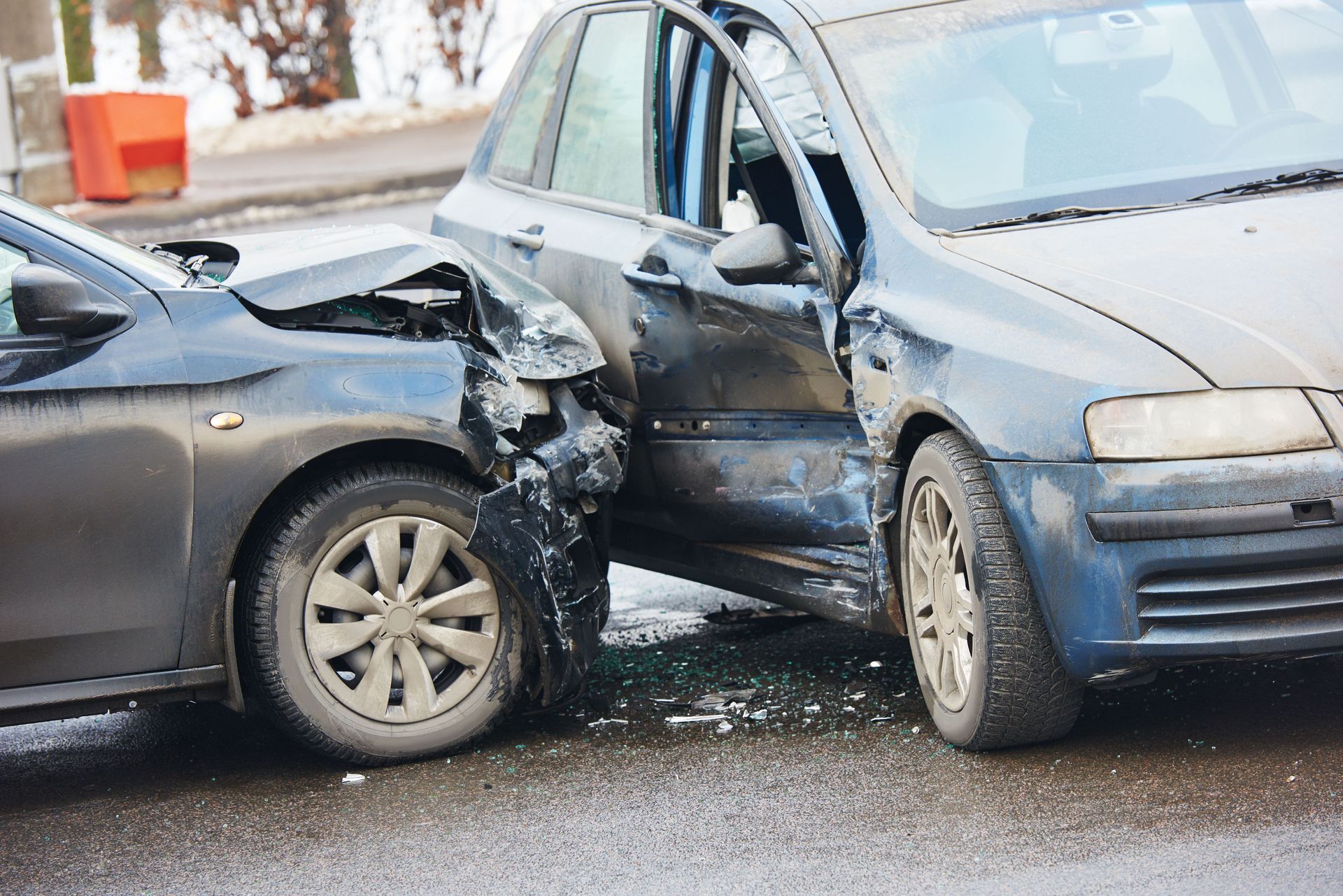
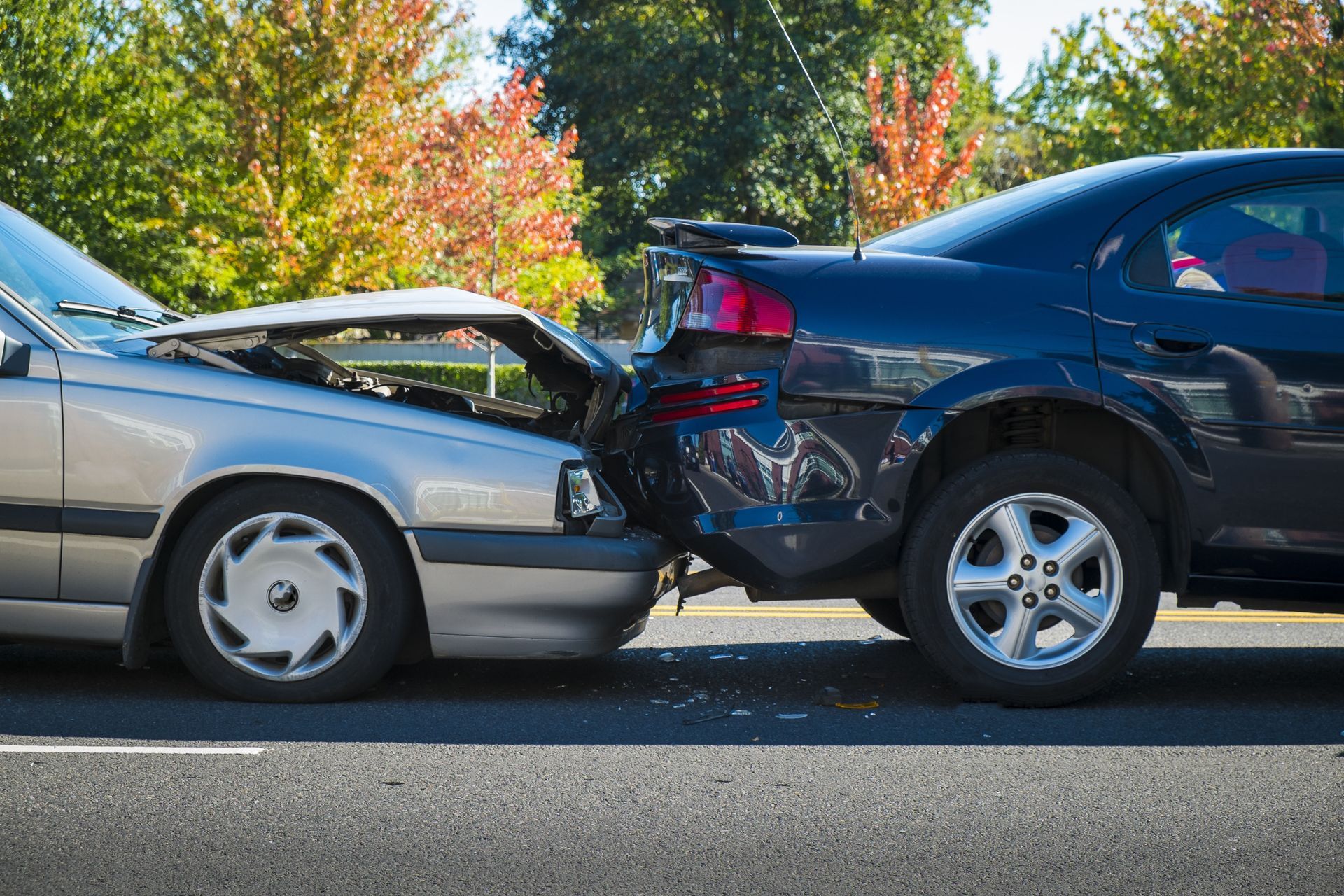
Many vehicle owners assume that visible dents and scratches represent the full extent of collision damage. In reality, significant problems often develop beneath the surface. Hidden damage can affect vehicle safety, performance, and long-term reliability if it is not properly diagnosed and repaired. Thorough inspections help identify concerns before they become more serious and expensive to correct. Professional evaluations following an accident are essential because modern vehicles contain complex structural, mechanical, and electronic systems. Even a relatively minor impact can affect multiple components at once. According to Kelley Blue Book, there are 289 million light-duty vehicles in the United States, including cars, pickup trucks, and SUVs, which is 3 million more than the previous year. With so many vehicles on the road, collisions remain a common occurrence, making thorough inspections and quality car collision repair essential for restoring both safety and confidence behind the wheel.
1. Structural Damage Often Extends Beyond Visible Areas
The frame serves as the foundation of the vehicle and absorbs much of the force during a collision. Hidden frame damage can compromise passenger safety, affect handling, and reduce the effectiveness of safety systems. Although the vehicle may appear normal externally, internal structural components can become bent or weakened.
Misalignment is another common issue that may develop after an accident. Drivers often notice pulling, drifting, or uneven tire wear after a collision. Left unaddressed, these problems can lead to increased tire expenses, reduced fuel efficiency, and a less comfortable driving experience.
Metal panels can also develop microscopic stress fractures that are not immediately visible. Over time, moisture and road debris may worsen these weak points, resulting in corrosion and structural deterioration. Regular inspections help ensure these hidden concerns are addressed before they become larger problems.
2. Electrical Systems May Experience Delayed Failures
Modern vehicles rely heavily on sophisticated electrical systems. Wiring harnesses, sensors, cameras, and onboard computers can all be affected during a collision. Even when no warning lights appear immediately, damage may exist beneath panels and behind dashboards.
Sensors responsible for driver-assistance features often require recalibration following an accident. Lane departure warnings, parking assistance systems, collision avoidance technology, and adaptive cruise control may not function properly if sensors are slightly displaced. Accurate diagnostics are critical for identifying these issues.
Lighting systems also deserve close attention. Headlights, brake lights, and turn signals may appear operational initially but can develop intermittent failures later due to damaged wiring or loose connections. Proper car collision repair includes a complete inspection of these critical safety components.
3. Mechanical Components Can Suffer Hidden Damage
Mechanical systems absorb substantial force during a collision. Damage to engine mounts, steering components, suspension parts, and transmission assemblies may not become apparent until weeks after the accident. Drivers often notice unusual noises, vibrations, or reduced performance as hidden damage progresses.
Engine misfires can result from damaged sensors, wiring issues, or disrupted fuel delivery systems. These problems may reduce fuel efficiency and accelerate engine wear. Prompt diagnostics help identify the source of the issue before further damage occurs.
Transmission components can also suffer from impact-related stress. Shifting difficulties, delayed engagement, and unusual transmission noises should never be ignored after an accident. Early intervention can prevent significantly more expensive repairs in the future.
4. Steering and Suspension Problems Affect Safety
The steering and suspension systems play a vital role in maintaining control of the vehicle. Damage to these systems may initially seem minor but can quickly affect handling and safety. Drivers may notice vibrations, wandering, uneven tire wear, or difficulty maintaining a straight path.
Suspension damage can place additional strain on other components throughout the vehicle. Shock absorbers, struts, control arms, and tie rods should all be inspected after an accident. These components work together to provide stability and comfort during everyday driving.
Comprehensive car collision repair often includes suspension measurements and steering evaluations to ensure the vehicle performs as intended. Restoring these systems helps maintain proper control and enhances driver confidence.
5. Fluid Leaks Can Create Long-Term Damage
Fluid leaks are among the most common hidden problems following a collision. Damaged seals, cracked components, or displaced connections may allow fluids to escape slowly over time. Vehicle owners may not notice these leaks until significant damage has already occurred.
Oil leaks can reduce lubrication and increase engine wear. Coolant leaks may lead to overheating and severe engine damage. Transmission fluid leaks often contribute to poor shifting performance and accelerated transmission wear.
Brake fluid leaks require immediate attention because they directly affect stopping power. Fuel system leaks also present significant safety hazards and should be addressed as soon as possible. Regular inspections help identify these issues before they escalate.
6. Tire and Wheel Damage Is Not Always Obvious
Tires and wheels frequently absorb a substantial portion of collision forces. While obvious damage is easy to spot, internal tire damage often remains hidden. Weakening within the tire structure can eventually lead to tread separation or sudden blowouts.
Wheel rims may also bend during impact without showing dramatic visual signs. Even slight rim damage can create vibration, uneven wear patterns, and air pressure loss. Thorough wheel inspections help identify these concerns early.
Proper balancing and alignment are essential after any accident. Hidden wheel damage can negatively affect ride quality, fuel economy, and overall safety. Professional car collision repair helps restore wheel performance and improve vehicle stability.
7. The Psychological Effects of an Accident
Vehicle damage is only one aspect of accident recovery. Many drivers experience emotional stress, anxiety, and reduced confidence after a collision. These feelings may affect driving habits and overall well-being long after repairs are completed.
Some individuals become overly cautious behind the wheel, while others develop anxiety about driving in traffic. Recognizing these emotional challenges is an important part of the recovery process. Support from family, friends, and professionals can help drivers regain confidence.
Financial concerns often contribute to stress as well. Insurance claims, repair expenses, rental vehicles, and potential premium increases can create additional pressure during an already difficult time.
8. The Importance of Prompt Repairs
Delaying repairs can allow hidden damage to worsen. Small issues that initially seem insignificant often develop into major mechanical or structural concerns over time. Early detection and professional service help prevent larger repair bills while preserving vehicle safety.
Maintaining detailed repair records also benefits vehicle owners. Documentation demonstrates that repairs were completed properly and may help preserve resale value in the future. Buyers often feel more comfortable purchasing a vehicle with a documented repair history.
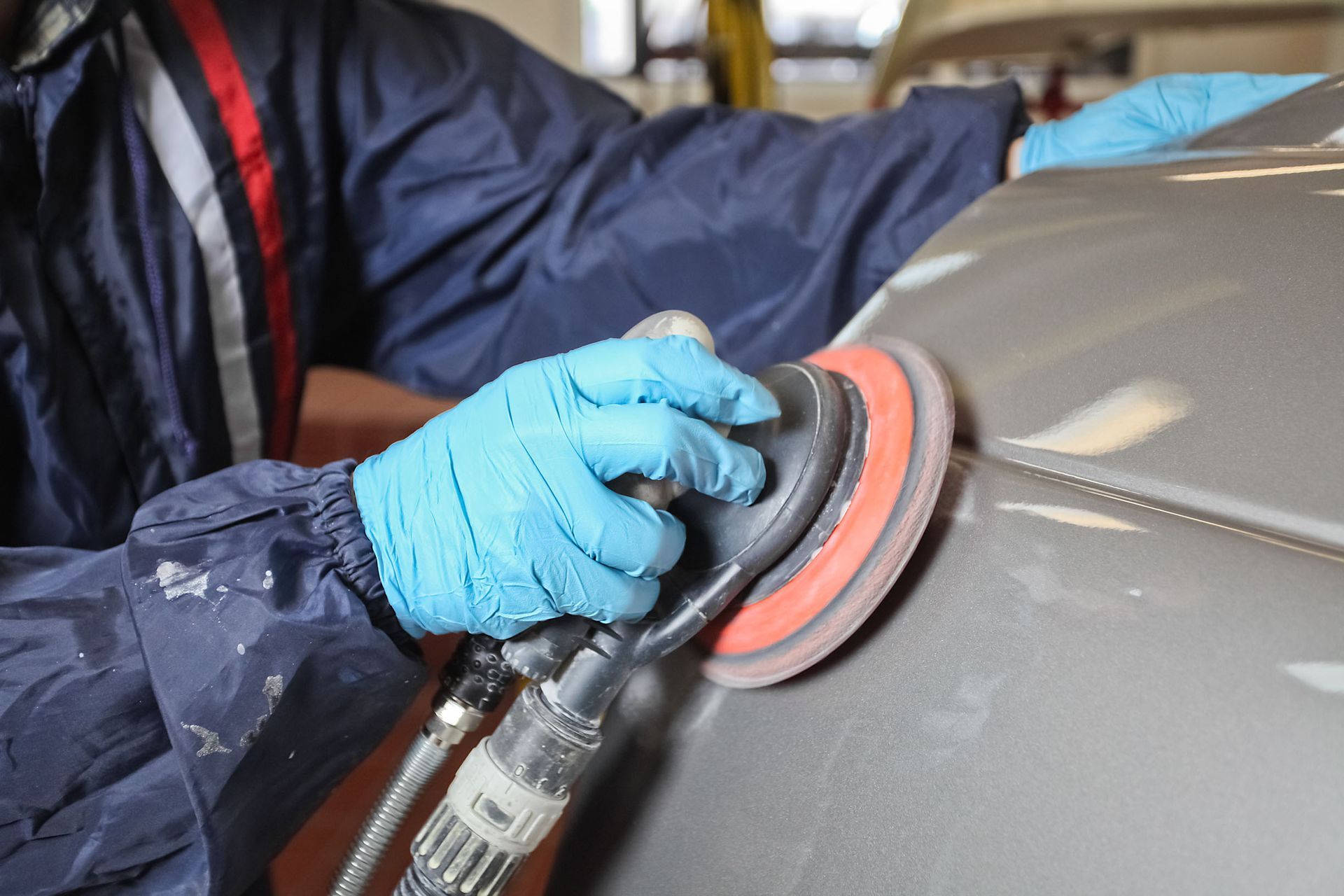
Choosing qualified technicians for car collision repair ensures that both visible and hidden damage receive proper attention. Thorough inspections, advanced diagnostics, and quality workmanship all contribute to a safer and more reliable vehicle.
9. Moving Forward After a Collision
Accidents can reveal a wide range of hidden problems that extend far beyond cosmetic damage. Structural weaknesses, electrical complications, mechanical issues, fluid leaks, wheel damage, and emotional stress can all affect recovery. Understanding these risks helps vehicle owners make informed decisions following an accident.
Another often-overlooked consequence of an accident is the impact on a vehicle’s resale value. Even after repairs are completed, undisclosed or poorly documented damage can reduce buyer confidence and lower market value. Comprehensive inspections and professional repairs help demonstrate that the vehicle was restored correctly. In addition, maintaining records of all repair work, inspections, and replacement parts can provide valuable documentation for future buyers and insurance providers. Taking these extra steps helps protect both the vehicle’s condition and its long-term financial value.
Regular inspections, timely repairs, and professional evaluations provide the best protection against long-term complications. Addressing hidden damage promptly preserves vehicle performance, supports driver safety, and helps restore confidence on the road. Taking a proactive approach after an accident can make the recovery process smoother and significantly reduce future challenges.