November 11, 2026
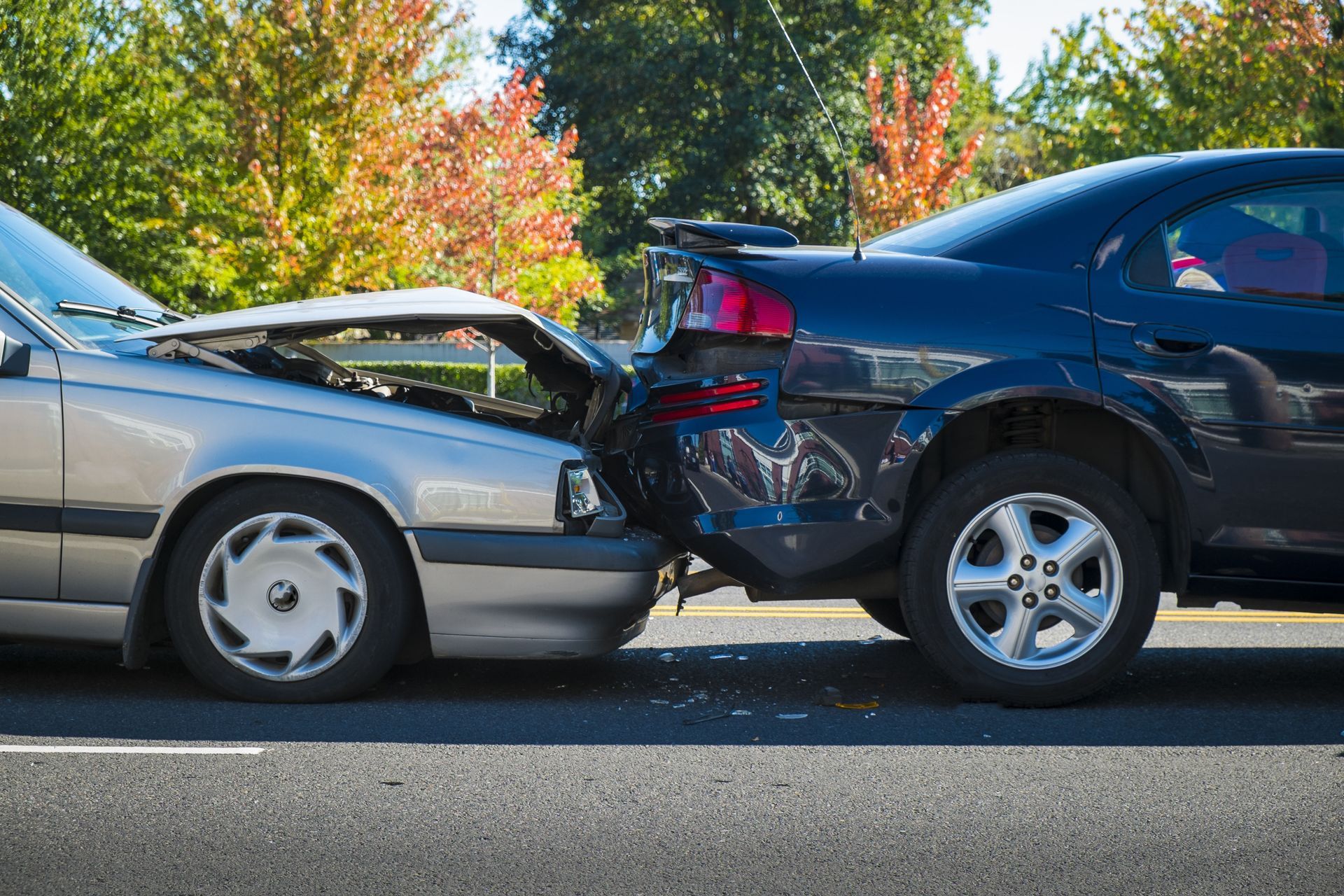
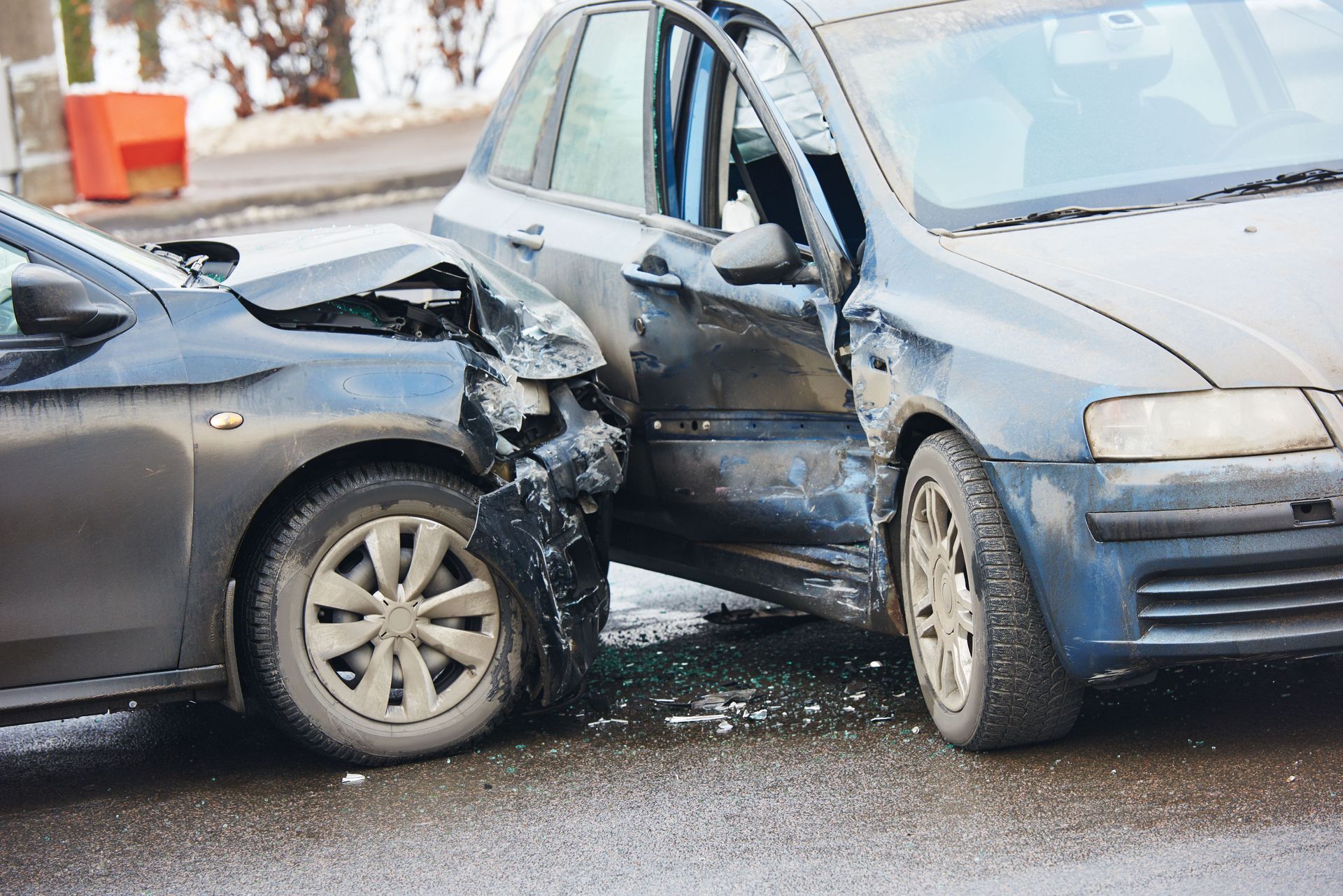
After a collision, drivers naturally focus on damage they can see. A dented panel or broken light may appear to define the repair. However, impact forces can travel beyond the most obvious point of contact and affect structural parts, mounting points, sensors, panel alignment, and protective finishes.
A thorough inspection looks at how different parts of the vehicle relate to one another. A local auto body shop may study the visible damage while also checking nearby areas for changes that could influence fit, appearance, or safety. These checks help establish the repair scope before work begins. These six areas show why a body assessment extends beneath the surface.
1. The Frame, Unibody, and Undercarriage
Structural damage may not cause a dramatic exterior change. An impact can affect frame or unibody sections, brackets, mounting points, seams, and areas beneath the vehicle. A local auto body shop can inspect measurements and reference points to determine whether the structure remains within appropriate specifications. Body panels, suspension mounting locations, doors, and safety systems all depend on a stable foundation.
Age and exposure can complicate the assessment. According to Kelley Blue Book, the typical vehicle traveling on American roads is now nearly 13 years old. An older vehicle may have corrosion, worn coatings, previous repairs, or weakened areas that become more apparent after an impact. Examining the undercarriage and structural sections allows technicians to distinguish fresh collision damage from earlier conditions that may affect the repair plan.
2. Damage Hidden Behind Exterior Panels
Bumpers, fenders, doors, and quarter panels can conceal brackets, reinforcement bars, absorbers, wiring, and attachment points. An exterior panel may return close to its original shape while the components behind it remain cracked, compressed, bent, or displaced. This difference explains why a quick visual review cannot always reveal the full effect of a collision. Parts may need to be removed during the inspection before concealed damage becomes visible.
Panel gaps can provide early clues about what happened beneath the surface. Uneven spacing around a hood, trunk, door, or fender may point to shifted hinges, damaged mounts, distorted supports, or structural movement. A local auto body shop also checks whether panels open, close, latch, and sit flush with adjacent surfaces. These observations help connect a subtle fit problem with the damaged part responsible for it.
3. Paint Condition and Surface Protection
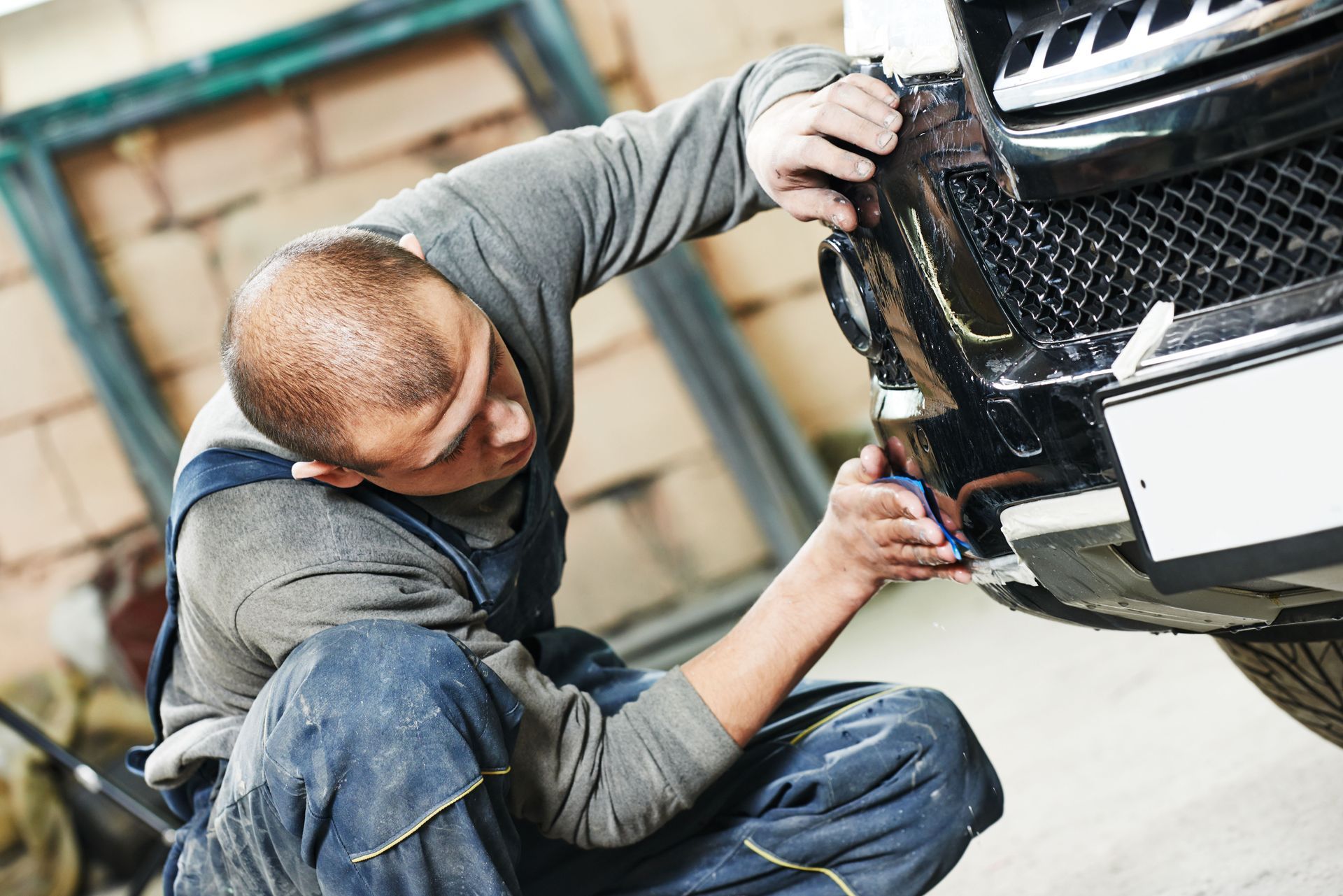
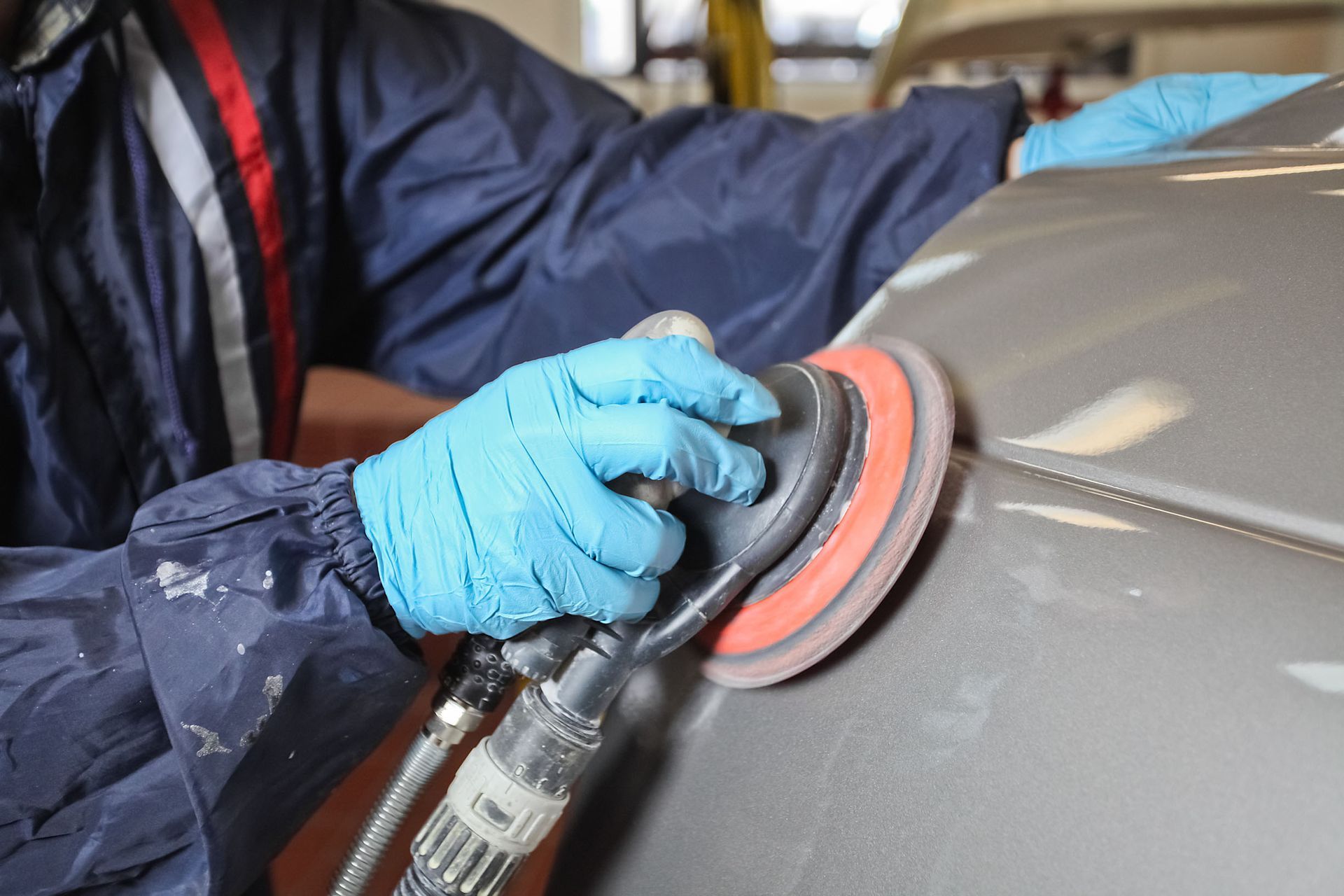
Paint assessment involves more than identifying scratches in the color layer. Technicians examine the clear coat, primer, exposed metal, blending areas, texture, and finish across adjoining panels. A local auto body shop may also look for oxidation, peeling, previous refinishing, or variations in paint thickness that affect how new work should be approached. This broader evaluation supports a finish that looks consistent under changing light.
Even a narrow scratch can matter when it passes through the protective paint layers. Exposed metal becomes more vulnerable to moisture and corrosion, while damaged clear coat can allow the surrounding finish to deteriorate. Technicians also study the shape and depth of dents because stretched metal, sharp creases, and damage near body lines may respond differently during repair. Surface condition therefore influences both the preparation process and the final appearance.
4. Wheel Position, Alignment, and Suspension Clues
A collision near a wheel can affect more than the tire or visible body panel. Impact may disturb wheel position, steering geometry, suspension attachment points, or the relationship between the wheel opening and surrounding sheet metal. Warning signs can include an off-center steering wheel, pulling, unusual vibration, changed handling, or a tire that sits differently within the wheel well. Drivers may overlook these changes when exterior damage draws most of their attention.
Body technicians compare visible alignment, measurements, tire clearance, and the condition of mounting areas affected by the collision. When findings involve mechanical systems outside the body repair, the vehicle may need related diagnostic or mechanical evaluation. A local auto body shop uses these observations to identify connected concerns rather than treating the dented panel as an isolated problem. This coordination helps the repair account for the way the impact traveled through the vehicle.
5. Lights, Cameras, and Collision-Related Electronics
Modern vehicles place electronic components throughout bumpers, mirrors, windshields, grilles, doors, and body panels. Parking sensors, cameras, blind-spot monitoring components, lighting assemblies, and wiring can be disturbed even when they do not appear broken. A warning light may identify certain faults, but other problems may become apparent through testing, damaged mounts, loose connections, or changes in component alignment.
A local auto body shop may inspect connectors, brackets, wiring routes, lamps, and sensor locations within the affected area. If a camera, radar unit, sensor, windshield, bumper, or mirror is removed or shifted, calibration may be required according to the vehicle's repair procedures. Restoring the panel without addressing related electronics could leave a driver with features that respond incorrectly. Checking these systems connects the physical repair with the technology built into the damaged area.
6. Tire and Brake Examination
Tire and brake examinations are crucial for maintaining vehicle safety, handling, and efficiency. Technicians measure tire tread depth and ensure proper pressure, which affects traction and fuel efficiency. Adequate tread depth provides better grip, reduces the risk of hydroplaning, and improves braking performance. As tires age and wear down, these performance characteristics decline, necessitating replacement for continued safety. According to Kelley Blue Book, the average vehicle on American roads is now close to 13 years old, highlighting the importance of checking aging tires regularly.
Brake system inspections involve checking brake pads and rotors for signs of wear. Brake pads convert kinetic energy to heat to slow the vehicle down, and worn-down pads can severely reduce braking efficiency. Technicians measure pad thickness and assess rotor condition, replacing parts as needed to maintain optimal braking performance. Evaluating brake fluid condition is also part of the examination, ensuring that fluid is free from moisture or contaminants that could impair brake performance. Maintaining a well-functioning brake system is vital for safe driving.
What Drivers Can Expect During the Assessment
The process generally begins with a discussion of the collision and any changes noticed afterward. Details such as impact direction, warning messages, new noises, water leaks, altered steering, or difficulty opening a door can point technicians toward affected areas. The vehicle is then examined visually, measured where appropriate, and documented before or during disassembly. Some findings may require diagnostic scanning or coordination with another qualified automotive provider.
Drivers should receive a clear explanation of the observed damage and the general repair process. Questions about parts, refinishing, structural work, calibration, testing, and expected communication can help establish what will happen while the vehicle is at the shop. A professional discussion should separate confirmed findings from damage that can only be assessed after components are removed. This clarity allows the repair to progress from evidence rather than appearances alone.
Looking Beyond Visible Collision Damage
A complete body inspection connects exterior damage with the structure, hidden components, finish, wheel position, electronics, and restraint systems around it. Each check contributes different information about the force of the collision and the areas that may require attention. Together, those findings support repairs that address the vehicle as an interconnected system rather than a collection of separate panels.
Drivers may initially visit a shop because of one obvious dent or scratch, but the most important findings are sometimes concealed nearby. Careful inspection can reveal shifted mounting points, damaged wiring, compromised coatings, or safety components that warrant further evaluation. Looking beyond the visible surface gives technicians the information needed to develop an appropriate repair plan. It also gives drivers a fuller understanding of what happened to their vehicle.